
The film that created the Bardot ‘sex kitten’ myth
Brigitte Bardot remains one of the most enduring icons in cinema history, a symbol of freedom, rebellion, and sensuality who reshaped how femininity was portrayed on screen. Yet her legendary image did not emerge overnight. It was a specific film, released at a pivotal moment in post-war Europe, that cemented her public persona and gave birth to what later critics and media would label the sex kitten myth. Understanding this film means understanding not only Bardot herself, but also the cultural anxieties and desires of the 1950s.
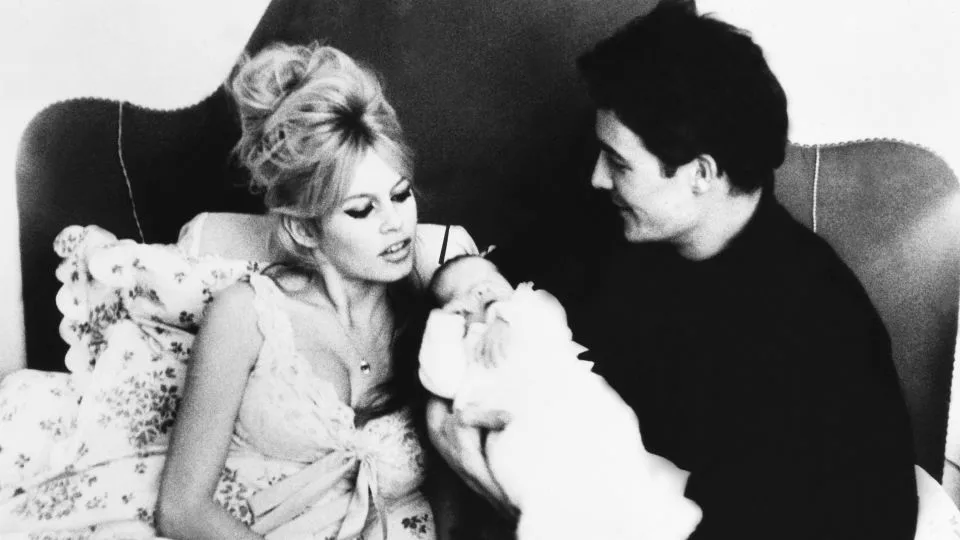
A changing world and a new kind of heroine
By the mid-1950s, European cinema was undergoing a quiet revolution. Audiences were growing tired of rigid moral codes and polished studio stars who felt distant from real life. The younger generation wanted authenticity, spontaneity, and emotional honesty. Into this atmosphere stepped Brigitte Bardot, a young actress whose natural beauty and untrained style contrasted sharply with the refined elegance of classic Hollywood stars.
The film that changed everything was “And God Created Woman” (1956), directed by Roger Vadim. Though Bardot had appeared in several films before, none had captured her essence or challenged social norms in quite the same way. This movie did not merely showcase her; it framed her as a force of nature—desirable, impulsive, and unapologetically free.
The story that shocked and fascinated audiences
Set in the sun-drenched town of Saint-Tropez, the film follows Juliette Hardy, a young woman whose sensuality and emotional intensity disrupt the lives of everyone around her. Unlike traditional female characters of the era, Juliette is not punished for her desires in a conventional moral sense. She dances barefoot, laughs loudly, loves freely, and refuses to fit into the narrow expectations imposed on women.
What truly unsettled audiences was not nudity or explicit scenes—by modern standards, the film is quite restrained—but the attitude Bardot embodied. Her character did not seek male approval; instead, men orbited around her, confused and captivated. This portrayal played a major role in constructing the sex kitten image, not as a passive object, but as a symbol of untamed femininity.
Bardot’s performance and natural magnetism
Bardot’s acting in the film was raw and instinctive. She was not classically trained, and that worked in her favor. Her movements felt spontaneous, her expressions unguarded. This authenticity made her character believable and dangerously alluring. Viewers felt as though they were watching a real person rather than a carefully crafted cinematic fantasy.
The camera adored her, but it never fully controlled her. In many scenes, Bardot appears almost unaware of her impact, which intensified the myth surrounding her. This blend of innocence and sensual confidence became central to the sex kitten narrative, even though Bardot herself would later reject the label as limiting and misleading.
Media reaction and the birth of a myth
Upon its release, the film caused controversy across Europe and beyond. Critics were divided: some dismissed it as immoral, while others praised it as a bold exploration of female desire. What everyone agreed on, however, was Bardot’s undeniable presence. International media quickly seized upon her image, simplifying her complex on-screen persona into a marketable idea.
Magazines, posters, and publicity campaigns focused heavily on her physicality, reinforcing the sex kitten tag and turning it into a global catchphrase. This myth followed Bardot throughout her career, often overshadowing her dramatic abilities and her later work in more serious films.
Cultural impact beyond cinema
The influence of the film extended far beyond movie theaters. Fashion trends changed almost overnight. Bardot’s hairstyles, off-shoulder dresses, and carefree style were copied by women across Europe and America. She represented a new kind of femininity—one that was youthful, independent, and openly sensual.
View this post on Instagram
Socially, the film arrived at a moment when traditional values were being questioned. Women, especially young women, saw in Bardot a reflection of desires they had been taught to suppress. The sex kitten myth, for all its problems, became a symbol of liberation as much as objectification.
Bardot’s complicated relationship with the image
Ironically, the very role that made Bardot famous also became a burden. In later interviews, she expressed frustration at being reduced to a single stereotype. She viewed Juliette not as a shallow seductress but as a tragic figure misunderstood by society. Bardot’s later performances showed greater depth, yet public perception remained stubbornly fixed.
This tension highlights the danger of cinematic myths. Once established, they can eclipse the artist behind them. The sex kitten image, born from one groundbreaking film, proved difficult to escape.
Re-evaluating the film today
Modern critics tend to view “And God Created Woman” with a more nuanced perspective. While acknowledging its male gaze and promotional exaggerations, many now recognize its role in challenging conservative storytelling. Bardot’s character can be seen as an early representation of female autonomy, even if filtered through the limitations of its time.
Today, the film is studied not just for its scandalous reputation, but for its historical significance. It marked a turning point in European cinema and redefined stardom in an age hungry for authenticity.
A legacy that still resonates
Decades later, the film remains inseparable from Bardot’s legacy. It created an image that reshaped pop culture, influenced fashion, and sparked debates about female representation that continue today. The sex kitten myth may have been a simplification, but it emerged from a performance that captured the spirit of an era in transition.
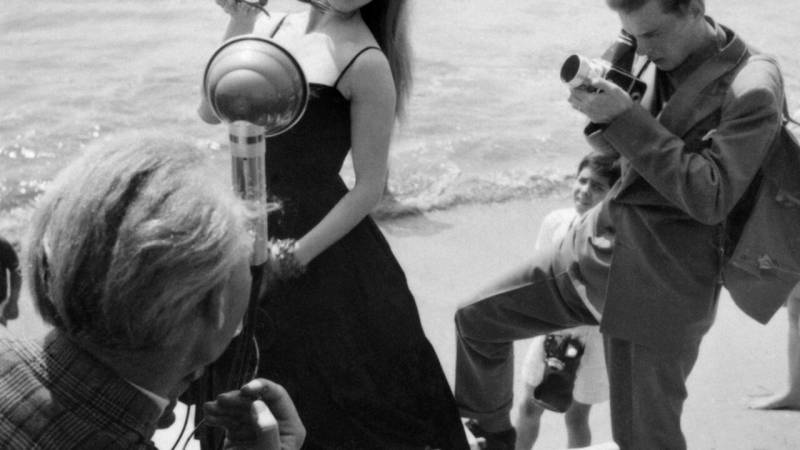
Ultimately, the film that created this myth did more than launch a star—it challenged audiences to confront their own ideas about desire, freedom, and femininity. Brigitte Bardot became a legend not because she fit neatly into a label, but because she disrupted it, leaving an indelible mark on cinema history.